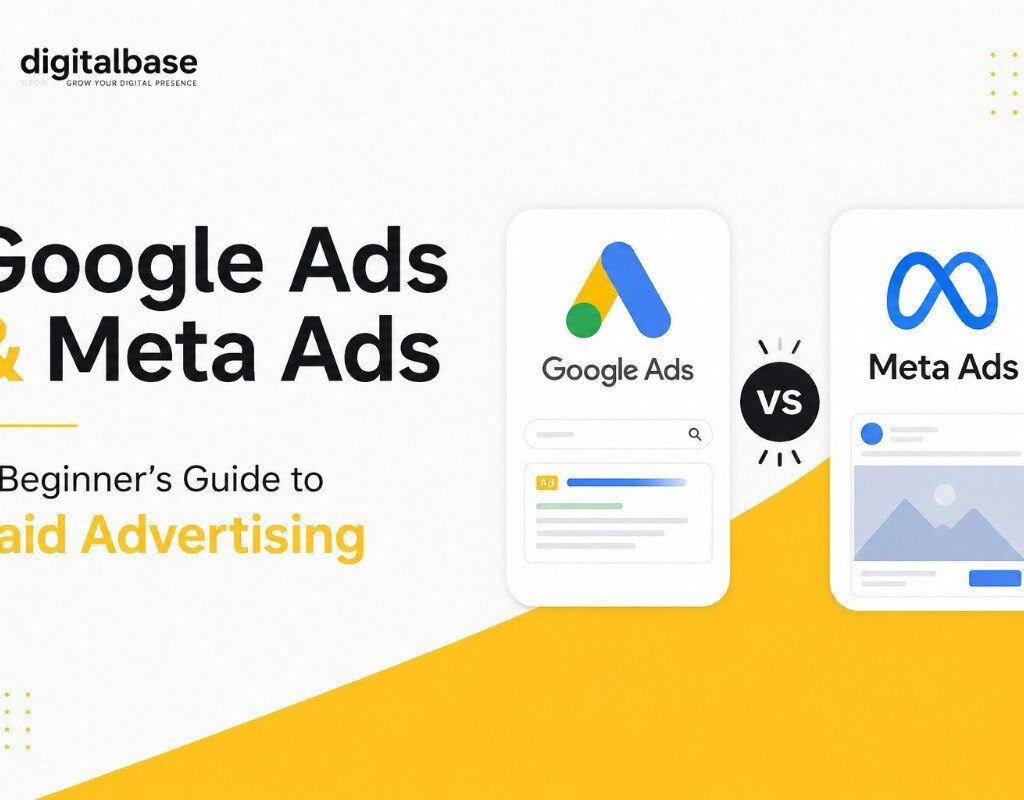
If you’re new to digital marketing, you’ve probably heard the terms Google Ads and Meta Ads thrown around constantly. Both are forms of paid advertising, but they work in very different ways. Understanding what each platform is — and how they fit into a broader online advertising strategy — is the first step toward running campaigns that actually convert.
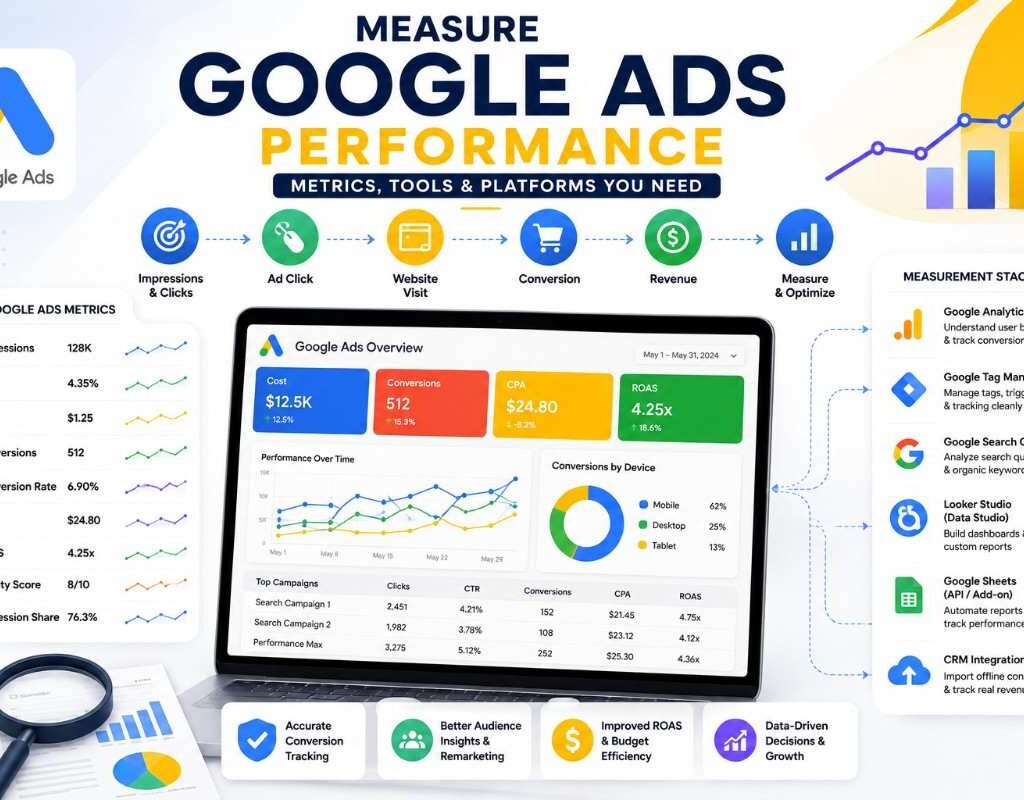
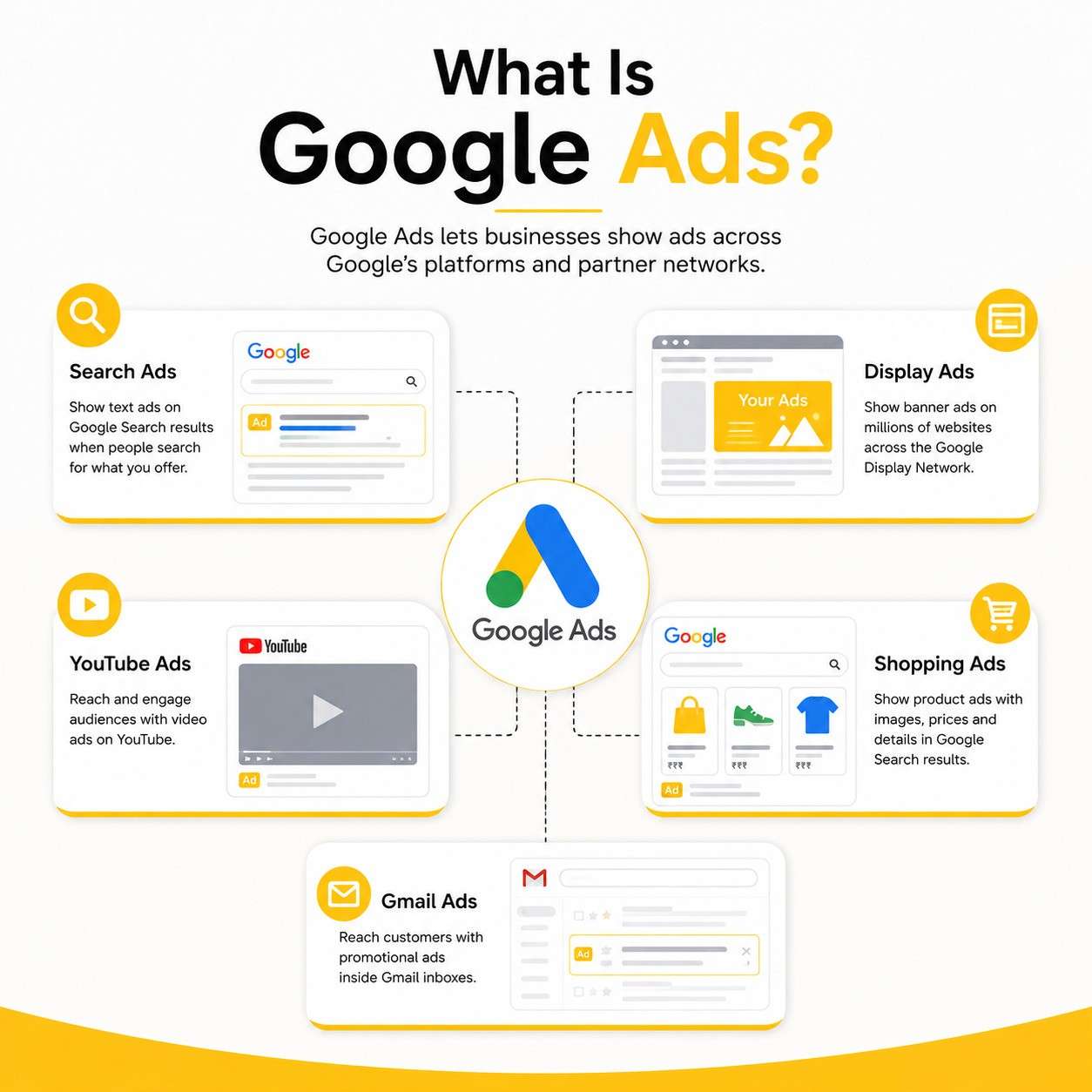
Google Ads (formerly Google AdWords) is Google’s pay-per-click (PPC) advertising platform. It allows businesses to display ads across:
The core idea behind Google Ads is intent-based targeting. When someone searches “best running shoes for beginners,” they already have a need. Google Ads lets you show up right when that intent exists, using keyword targeting to match your ad to relevant search queries.
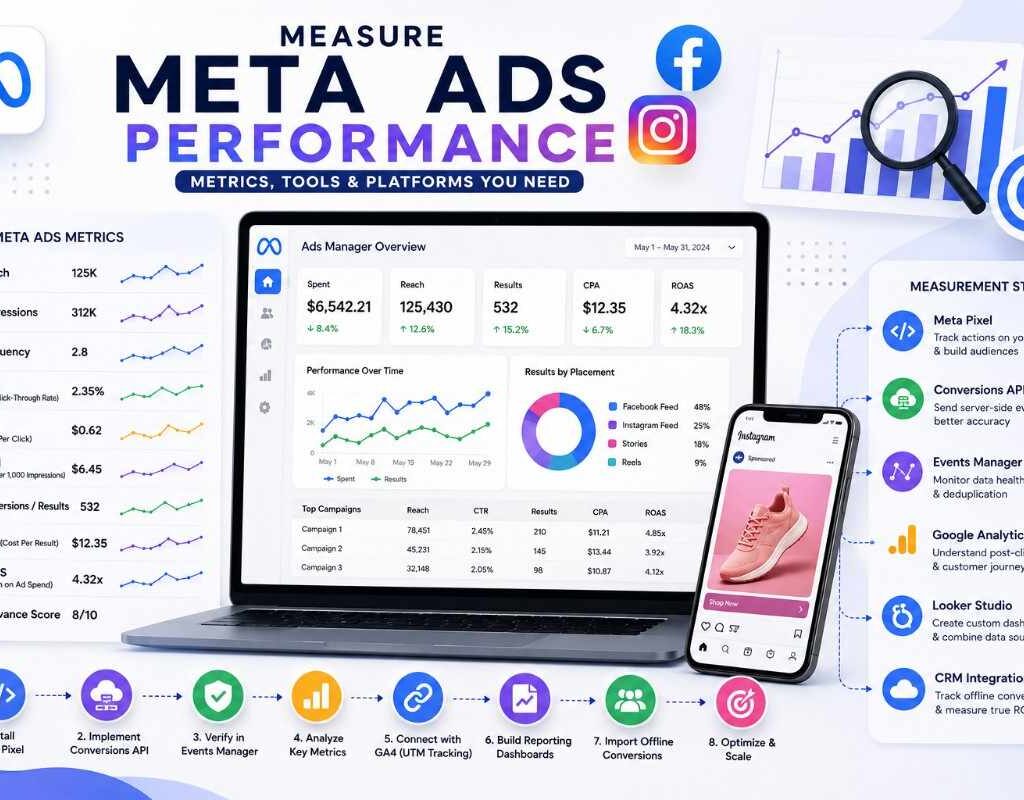
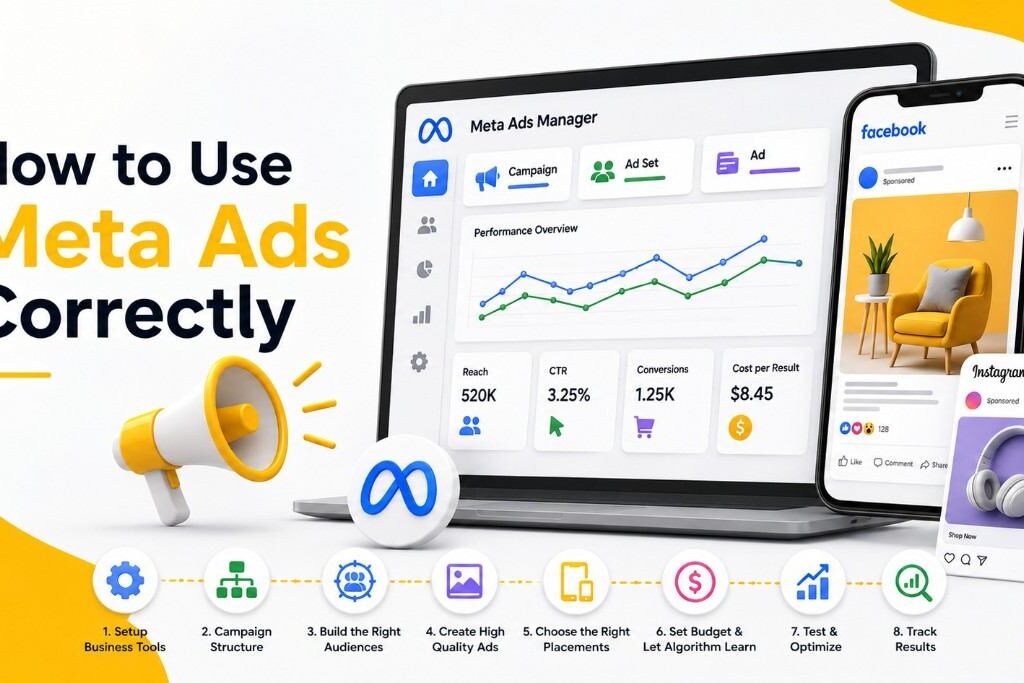
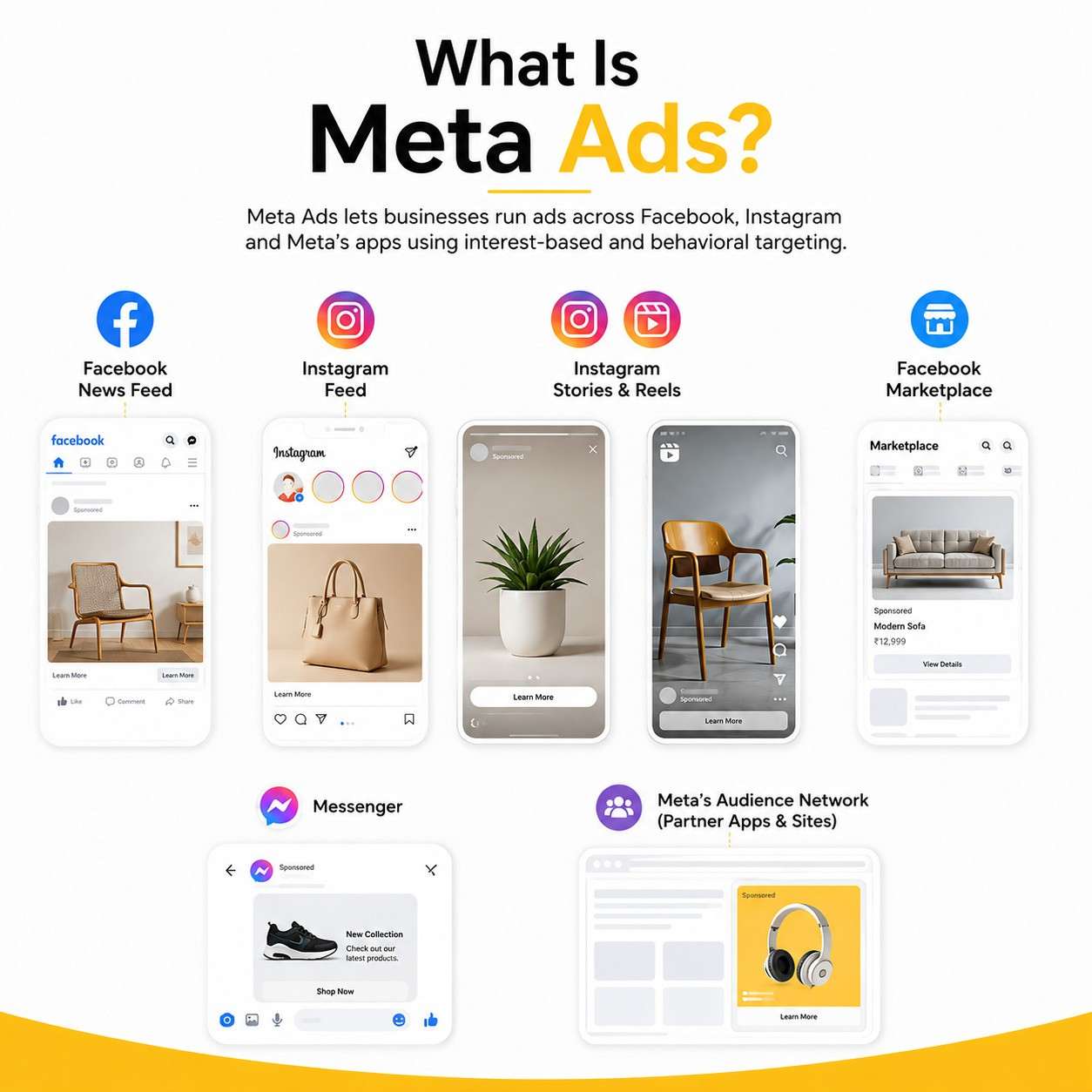
Meta Ads is the advertising platform for Facebook and Instagram, owned by Meta Platforms. Unlike Google Ads, Meta Ads is built around paid social media advertising and relies on interest-based and behavioral targeting rather than search intent.
Meta Ads can appear in:
Instead of targeting what someone is actively searching for, Meta Ads targets who someone is — their demographics, interests, behaviors, and past interactions with your brand
This is the foundational difference every marketer needs to understand:
| Concept | Google Ads | Meta Ads |
|---|---|---|
| Core mechanism | Intent-based (search) | Interest-based (social) |
| Best for | Capturing existing demand | Creating new demand |
| User mindset | Actively looking for something | Passively browsing |
Neither platform is “better” in isolation — they solve different problems. Google Ads captures people who already know what they want. Meta Ads introduces your brand to people who might want it but haven’t searched for it yet.
Google Ads formats:
Meta Ads formats:
For a business just entering paid ads, the right choice depends on your goal:
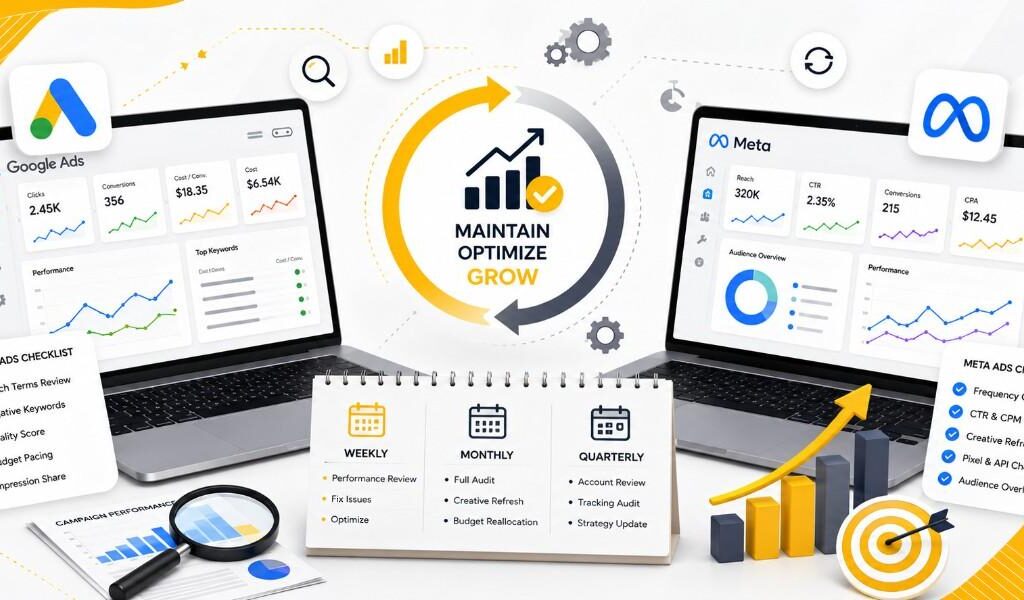
Many successful digital marketing strategies use both platforms together — Google Ads to capture demand, Meta Ads to build and nurture it.
Have a project in mind? Let’s create a digital solution that fits your goals and budget
We help businesses build, grow and succeed online through website development, SEO, social media management and paid advertising — with practical solutions at affordable prices.
Follow DigitalBase for digital marketing tips, SEO insights, website tips and business growth strategies.
Copyright © 2026 DigitalBase. All Rights Reserved.
Call Us